
Back-to-School Safety Tips for Families
As summer comes to a close, families begin shifting toward school-year routines filled with earlier mornings, packed backpacks, and changing schedules. Along with gathering supplies and preparing for new classes, it is a smart time to revisit everyday safety habits that can help protect children throughout the year.
Back-to-school safety extends well beyond the classroom. A child’s trip to and from school, time with classmates, after-school activities, and hours at home all create opportunities to practice awareness and preparedness.
Reviewing a few practical safety reminders before the first day can help students feel more capable and give parents greater peace of mind.
Start the Day With Safe Travel Habits
Getting to school safely is a key part of every school-day routine. Whether a student walks, rides a bike, takes the bus, or travels by car, families can make a difference by discussing the safety expectations for that specific route.
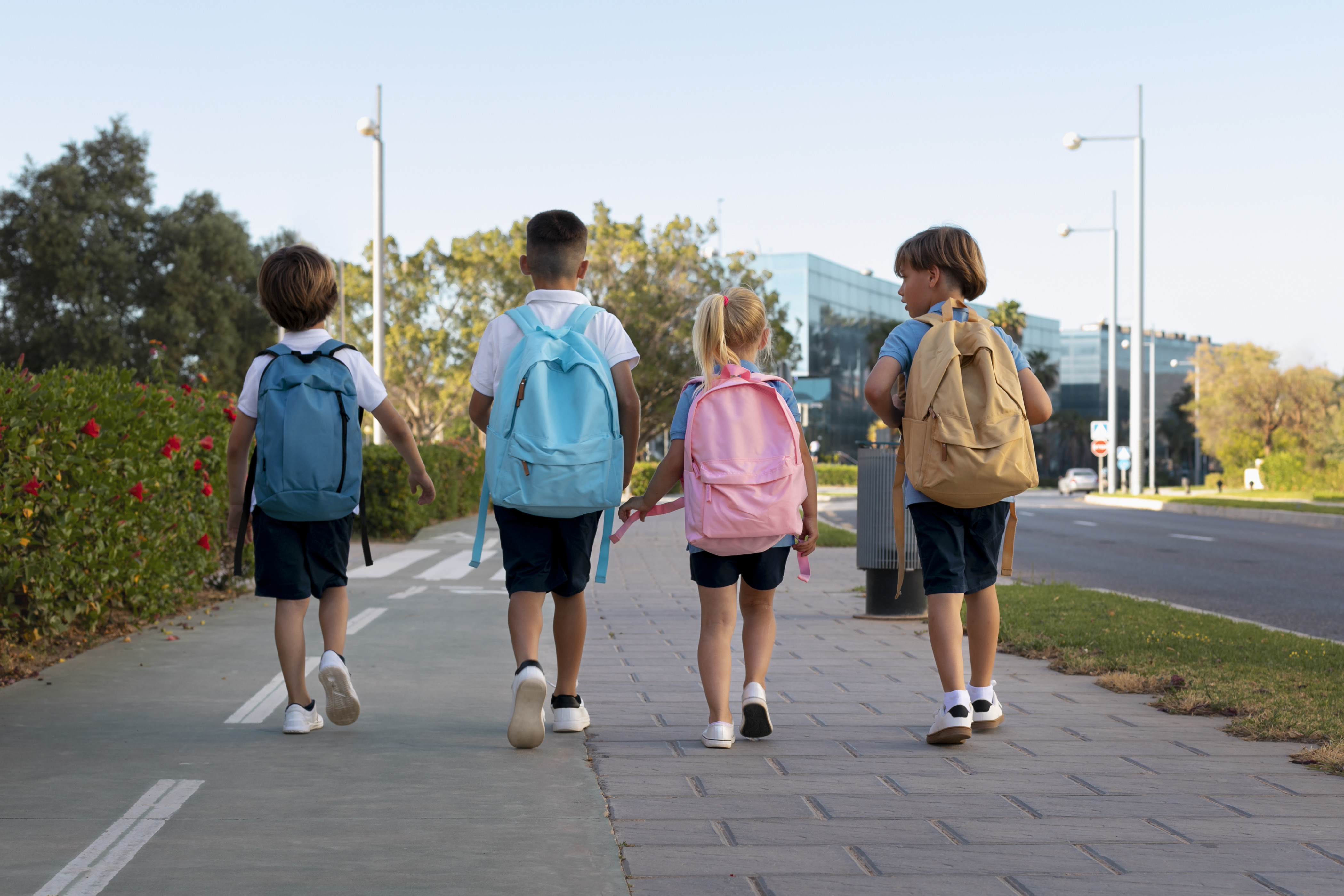
Children walking to school should use sidewalks whenever they are available and cross streets at marked crosswalks or intersections. Looking in both directions before entering the road is essential, and making eye contact with drivers can provide another important signal that the child has been seen. Walking with a sibling or friend can also help students stay attentive during the trip.
Students who bike to school should wear a helmet that fits correctly every time they ride. They should travel on the right side of the roadway, moving in the same direction as traffic, and stop fully before crossing a street. When possible, selecting a route with lighter traffic and fewer intersections can make the ride less stressful and safer.
Bus safety deserves attention before the school year begins as well. Children should wait at least six feet from the curb and remain there until the bus has come to a complete stop. They should not walk immediately in front of or behind the bus without first making eye contact with the driver, helping reduce risks during the busy morning pickup period.
Parents and guardians who drive children to school contribute to a safer school zone, too. Following the school’s designated drop-off process, reducing speed in school areas, and never passing a bus that is picking up or releasing students are essential daily practices.
Teen drivers may need a refresher before returning to school. Conversations about buckling seatbelts, following posted speed limits, managing passengers safely, and avoiding distracted driving can reinforce responsible choices behind the wheel.
Support Safety and Well-Being During the School Day
Once students arrive at school, simple habits can continue to support their safety, health, and confidence throughout the day.
Emergency readiness is one important area to review. Children should know their full name, home address, and the phone number for a parent or guardian. Families may also place a laminated card in a backpack with emergency contacts and relevant medical information, so those details are available if a child needs help away from home.
Healthy routines matter throughout the school year because classrooms and cafeterias bring many students together each day. Teaching children to wash their hands properly and reminding them not to share food or drinks can help limit the spread of germs.
Families should also keep backpack safety in mind. Carrying a bag that is too heavy can strain a child’s shoulders and back over time. A backpack should weigh no more than 15% of a child’s body weight, and students should use both shoulder straps to distribute the load more evenly.
Bullying prevention should remain part of regular school safety conversations. Parents can talk with children about what bullying may look like, how they can report it, and which trusted adults they can approach when they feel uncomfortable or unsafe. Knowing they have someone to turn to can make it easier for students to speak up.
Personal belongings should be labeled thoughtfully as well. Rather than displaying a child’s full first name on the outside of a backpack or lunch box, families can use initials or place identification labels inside the item for more privacy.
Keep Safety in Mind After the Final Bell
Safety planning does not end when the school day is over. Afternoons can be especially busy for families coordinating work obligations, transportation, activities, and changing schedules.
A consistent check-in routine can be helpful for children who walk home or arrive before a parent or guardian. A quick phone call or message confirming that they made it home safely can bring reassurance. Some families also use family locator apps or backpack GPS trackers to provide added peace of mind during the afternoon commute.
If a child will be home alone, it is important to establish expectations in advance. Families should discuss locking doors, responding to phone calls, allowing visitors inside, and what to do if an unexpected person comes to the door.
Online safety also requires ongoing attention during the school year. Children should understand that they should not share personal information online, including their home address, school name, or regular daily schedule. Open conversations about online interactions can help children feel comfortable reporting anything that seems unusual, suspicious, or upsetting.
Emergency preparedness is another valuable subject for families to review. Children should know where to go during severe weather, where the family meets outside in the event of a fire, and whom to contact if they need support while a parent or guardian is unavailable. Practicing these plans at home can help children react more calmly if an emergency happens.
Back-to-school season brings fresh opportunities, new experiences, and changing routines. By discussing safety before school, during the day, and after dismissal, families can feel better prepared for the months ahead. If you would like guidance on protecting your family through personal insurance and family safety planning, Great Lakes Independent Insurance Agency is here to help.